Labor market
Adaptation and career strategy in the digital era
The labor market is undergoing profound changes, creating opportunities and challenges for workers. To adapt and grow, we need to understand the key trends and prepare thoroughly.
Digital revolution
Technology like AI, automation and big data change the way we work. Many traditional jobs disappear, while new positions requiring more technical skills continuously appear. In this context, becoming a lifelong learner becomes imperative. By continuously improving your digital skills, from mastering new software to learning basic programming, you stay competitive and develop the flexible mindset needed to adapt to rapid changes quickly in the future.
Automation is replacing many repetitive jobs, but is also creating a need for new skills. Industries such as data analytics, cybersecurity, and software development are growing strongly. To succeed in this environment, workers need to proactively grasp new technology trends and be willing to learn related skills. This can include taking online courses, attending specialized seminars, or even self-study through free resources on the internet.
As technology takes over many routine tasks, skills that are difficult for machines to replace, such as critical thinking, creativity, and emotional intelligence, become more valuable than ever. Developing these skills not only helps you avoid the risk of being replaced by machines but also increases your value in the eyes of employers.
The rise of the gig economy
Freelancing and short-term contracts have become popular, offering flexibility but also with financial security challenges. To succeed in this environment, building a diverse skill set and a broad professional network becomes extremely important. This helps you increase your ability to find job opportunities and create multiple sources of income, thereby minimizing financial risks.
In the gig economy, time management and self-direction are more important than ever. Workers need to learn how to balance multiple projects at once, ensure quality work, and maintain relationships with many different customers. This requires excellent organization, planning and communication skills.
At the same time, learning how to effectively manage personal finances becomes a vital skill in this unstable world of work. Workers need to know how to budget, save for tough times, and invest for the future. Understanding taxes and insurance also becomes more important when you are self-employed.
Globalization of the labor market
When geographical boundaries are no longer a major barrier in finding talent, job opportunities expand globally, but at the same time competition increases. In this context, developing skills to work in a multicultural environment becomes extremely valuable.
Learning more foreign languages and finding opportunities to work or study abroad will not only help you expand your horizons but also enhance your ability to adapt to a global working environment. Understanding different cultures, how to communicate and work in a multinational environment becomes an important competitive advantage. When working with colleagues and customers from around the world, the ability to work remotely and use online collaboration tools becomes essential. Workers need to be proficient in using platforms like Zoom, Slack, or Trello to maintain work efficiency in a distributed environment.
As technical skills can quickly become outdated, soft skills such as communication, leadership and emotional intelligence are increasingly valued. Investing in developing these skills through courses, volunteering as a leader on projects, and practicing effective communication every day will help you make a difference in an increasingly demanding workplace. compete.
Effective communication skills are not limited to speaking and writing clearly. It also includes the ability to listen actively, read body language, and adapt to different communication styles. In a multicultural work environment, these skills become especially important to avoid misunderstandings and build good relationships with colleagues and customers.
Leadership skills also need to be developed, even if you are not in a management position. The ability to inspire, motivate others, and lead a team to achieve common goals are valuable qualities in any work environment. Practicing these skills through volunteering as a team leader on projects or participating in community activities can help you develop leadership abilities naturally.
Emotional intelligence, which includes the ability to recognize and manage the emotions of oneself and others, becomes an important factor in building effective working relationships and resolving conflicts. Developing emotional intelligence can be through practicing mindfulness, learning empathy, and increasing self-awareness.
In the digital age, your online image can significantly impact your career opportunities. Building a professional LinkedIn profile, sharing industry-related content on social media, and creating a blog or online portfolio to showcase your skills will not only help you stand out to employers but also open Many networking and career development opportunities.
When building a personal brand online, consistency and professionalism are key. Make sure the information on your social media platforms matches the professional image you want to project. Share valuable content related to your industry, participate in expert discussions, and connect with industry influencers.
Creating and maintaining a professional blog or online portfolio is an effective way to showcase your knowledge and skills. This is not only a place to showcase projects and achievements, but also an opportunity for you to express your thinking and views on industry trends. It's also important to participate in online communities related to your industry. This can include industry forums, LinkedIn groups, or even virtual networking events. Actively contributing and interacting in these communities not only helps you expand your network but also increases your reputation in your professional field.
Other Blog

The Importance of Future Planning: The Key to Shaping Your Life
Future planning
24/06/2024

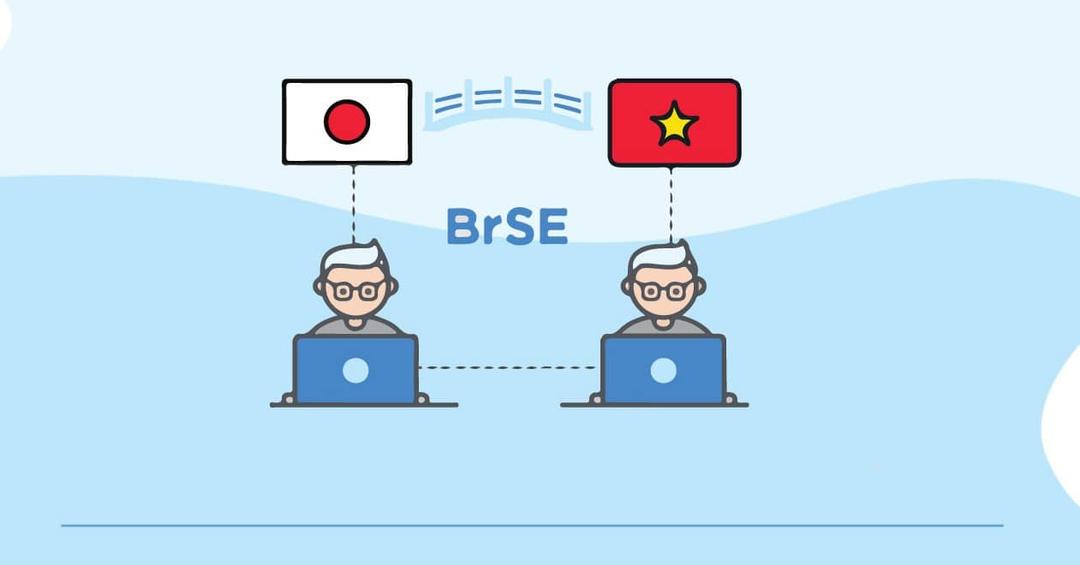
IT Career Orientation: Exploring the Bridge Software Engineer (BrSE) Position
Career guidance
02/10/2025